Essential Tools for Refinishing Furniture
Refinishing furniture is both an art and a science, requiring the right tools and techniques to bring old pieces back to life. Whether you're a seasoned DIY enthusiast or just starting out, having the appropriate tools at your disposal can make all the difference in achieving beautiful, professional-looking results.
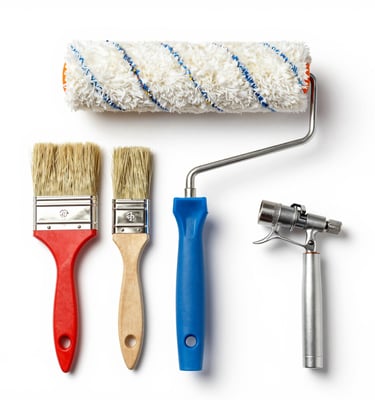
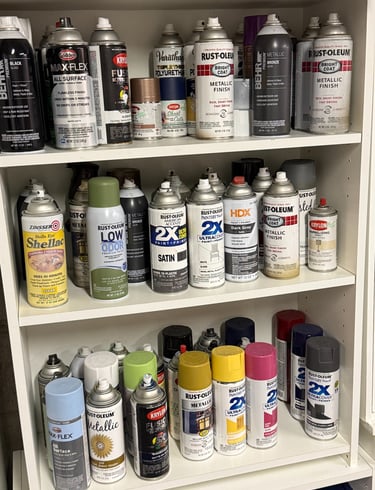
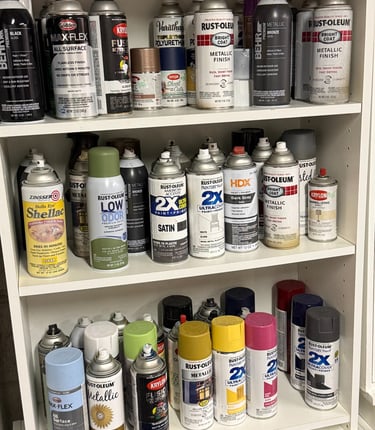
1. Paint Sprayers: A quality paint sprayer can significantly speed up the process of applying paint or finish. They produce a smooth, even coat that's hard to replicate with brushes or rollers. Look for an HVLP (High Volume Low Pressure) sprayer for optimal control and minimal overspray.
2. Sanding Tools: Proper sanding is crucial for a smooth finish. Electric sanders, such as orbital sanders or belt sanders, can cover large areas quickly. However, for intricate details or delicate surfaces, hand sanding might be necessary.
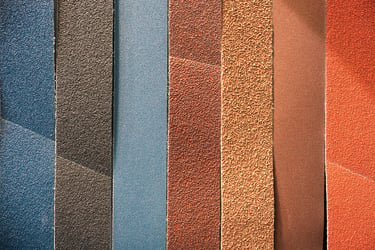
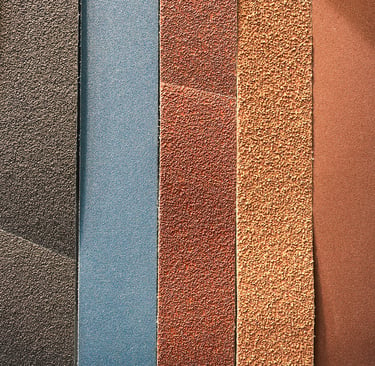
3. Sandpaper: Sandpaper comes in various grits and is essential for achieving a smooth surface. Start with a coarser grit to remove old finish or paint, and gradually work up to finer grits for a refined surface. It's important to choose the right type of sandpaper, such as aluminum oxide for wood.
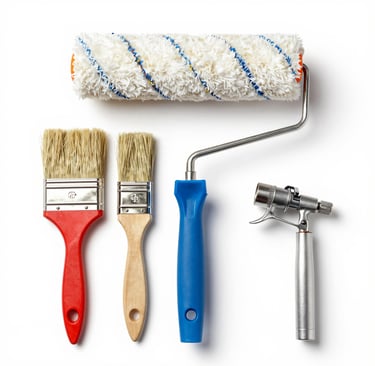
4. Paint Brushes: High-quality paint brushes are vital for detailed work and finishing touches. Use synthetic brushes for water-based paints and natural bristle brushes for oil-based paints. Different shapes and sizes will help you reach into corners and apply paint evenly.
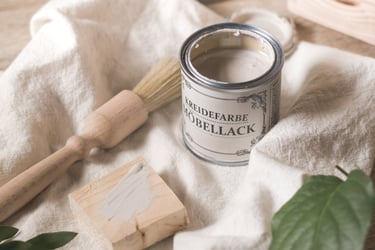
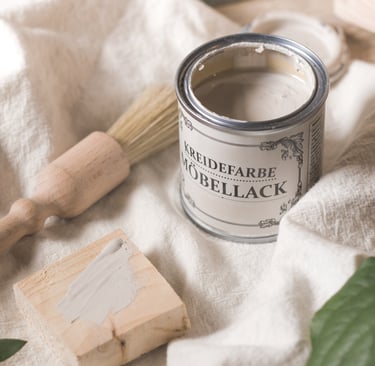
5. Chalk Paint: Known for its matte finish and ease of use, chalk paint is a favorite among furniture refinishers. It often requires minimal prep work, adhering well to surfaces without extensive sanding, and it dries quickly.
6. Appliqué: Adding decorative elements like wooden appliqués can elevate a piece of furniture to new heights. Choose designs that complement the style of your furniture and enhance its appeal.
7. Decoupage Supplies: Decoupage allows you to personalize and decorate furniture using decorative papers or fabrics. With a good quality decoupage medium, you can apply designs seamlessly, whether it’s for covering entire surfaces or adding small accents.
8. Glue: A strong adhesive is crucial for securing any decorative elements or fixing loose joints. Use wood glue or a strong craft glue that dries clear, ensuring a professional look.
9. Nails and Screws: Sometimes, simply gluing isn’t enough. Reinforcing your work with nails or screws can add durability, especially in restoring antique pieces.
10. Hammer and Screwdrivers: Basic hand tools like a hammer and different types of screwdrivers are essential for assembling, disassembling, or reinforcing various components of furniture.
Safety Gear: Always prioritize safety while working. Wear goggles, masks, and gloves to protect yourself from dust and chemical fumes. - Workspace Setup: An organized, well-lit workspace is key to a successful project. Ensure you have enough space to work comfortably and access to all your tools. - Patience is Key: Refinishing furniture is a process that takes time. Don’t rush through the steps; allow multiple coats of paint to dry fully before moving on to the next stage. - Experiment: Don’t hesitate to try new techniques or finishes. Each furniture piece is unique, and sometimes a bit of experimentation can lead to stunning results. By using the right tools, techniques, and a touch of creativity, you can transform any piece of furniture into a stunning work of art. Whether you're giving a family heirloom a new lease on life or simply refreshing a thrift store find, the joy of refinishing furniture lies in the blend of skill and imagination that brings the project to fruition.